
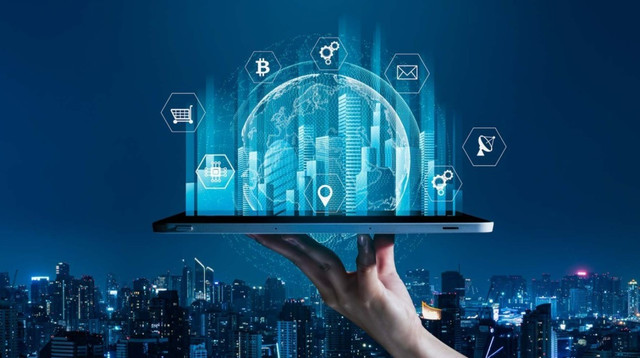


Modern industries are changing faster than ever. Businesses are under constant pressure to improve productivity, reduce operational costs, understand customers, and respond quickly to new market demands. Technology has become more than a support function; it is now a central part of business strategy. Wave Tech represents the broader movement toward intelligent, connected, automated, and data-driven technology solutions that help organizations adapt to this changing environment.
From manufacturing and healthcare to finance, retail, logistics, and energy, technology is reshaping how companies operate. Artificial intelligence, cloud computing, automation, advanced analytics, connected devices, and digital platforms are working together to create more responsive business ecosystems. Instead of relying only on traditional systems, organizations are increasingly combining multiple technologies to solve complex problems. This shift is helping industries become more efficient while opening opportunities for new products, services, and business models.
The Growing Role of Technology in Industry
Industrial innovation is no longer limited to creating new machines or upgrading physical infrastructure. Modern innovation also involves improving the way information moves through an organization. Businesses need systems that can collect data, analyze it quickly, automate repetitive activities, and provide useful insights to decision-makers.
This is where Wave Tech becomes particularly important. Its underlying approach focuses on using emerging technologies to create smarter workflows and more connected operations. A manufacturing company, for example, can use sensors to monitor equipment, analytics to identify unusual performance, and automation to schedule maintenance before a serious failure occurs.
The same principle can be applied across different sectors. A retailer can analyze customer behavior, a logistics company can optimize delivery routes, and a financial organization can strengthen transaction monitoring. Technology becomes valuable when it solves a practical business problem rather than simply introducing another digital tool.
How Wave Tech Supports Smarter Business Operations
Efficiency is one of the biggest reasons organizations invest in modern technology. Manual processes often consume valuable time and increase the possibility of human error. Digital systems can streamline repetitive work and allow employees to concentrate on activities that require creativity, judgment, and communication.
Automation Reduces Repetitive Work
Automation can handle tasks such as data entry, inventory updates, document processing, scheduling, notifications, and routine reporting. When these processes are automated, employees can spend more time on strategic responsibilities.
For example, an organization may automatically collect information from different departments and generate real-time performance reports. Managers no longer need to wait for several teams to prepare separate spreadsheets before understanding what is happening.
Real-Time Data Improves Decisions
Business decisions become stronger when they are supported by current information. Connected platforms can bring data from different sources into a unified environment, helping managers identify trends and respond to problems more quickly.
This can be particularly valuable in industries where conditions change rapidly. Real-time information can help businesses adjust inventory, monitor production, manage resources, and respond to customer demand without relying entirely on outdated reports.
Innovation Across Multiple Industries
The impact of Wave Tech can be understood by looking at how modern technology is being applied across different sectors. While each industry has different requirements, many share common goals: greater efficiency, improved customer experiences, better decision-making, and stronger operational resilience.
| Industry | Technology Application | Potential Benefit |
|---|---|---|
| Manufacturing | IoT, automation, predictive analytics | Less downtime and improved production |
| Healthcare | AI, digital records, connected devices | Faster insights and better coordination |
| Retail | Analytics, personalization, automation | Improved customer engagement |
| Finance | AI, cloud systems, analytics | Faster processing and risk monitoring |
| Logistics | Tracking, optimization, automation | Efficient deliveries and resource use |
| Energy | Sensors, analytics, smart systems | Better monitoring and resource management |
These applications demonstrate that digital innovation is not restricted to technology companies. Traditional industries can also benefit significantly when modern tools are aligned with their operational needs.
Artificial Intelligence Is Accelerating Innovation
Artificial intelligence is one of the most influential technologies shaping modern business. AI systems can analyze large volumes of information, recognize patterns, support forecasting, and automate certain decision-making processes.
Businesses are using AI for customer support, fraud detection, demand forecasting, quality control, content analysis, and operational optimization. As AI becomes more accessible, organizations of different sizes can explore applications that were previously available mainly to large enterprises.
Wave Tech aligns with this broader transformation by emphasizing intelligent technology as part of modern digital operations. However, successful AI adoption requires more than purchasing an AI tool. Companies need reliable data, appropriate infrastructure, skilled employees, clear objectives, and responsible governance.
When these elements work together, AI can become a practical business capability rather than simply a technology trend.
Connected Technologies Are Creating Smarter Ecosystems
The Internet of Things has changed how businesses interact with physical assets. Sensors and connected devices can collect information from machines, vehicles, buildings, warehouses, and other environments.
Consider a logistics company managing a large fleet. Connected systems can provide information about vehicle location, operating conditions, fuel consumption, and delivery progress. Managers can use that information to improve routing and identify potential operational problems.
In manufacturing, connected equipment can provide continuous performance information. In smart buildings, sensors can help monitor energy usage. In agriculture, connected devices can support monitoring of environmental conditions.
The larger trend is clear: physical assets are becoming sources of useful digital information. This connection between the physical and digital worlds is creating new opportunities for efficiency and innovation.
Cloud Technology Makes Innovation More Flexible
Traditional infrastructure can require substantial investment and ongoing maintenance. Cloud computing has changed this model by allowing organizations to access computing resources, storage, software, and development environments more flexibly.
Cloud platforms can help businesses scale digital services according to demand. A growing company can expand its technology environment without necessarily building an entirely new physical infrastructure.
Cloud adoption can also support collaboration. Employees in different locations can access shared systems and information, making it easier for distributed teams to work together.
For businesses exploring Wave Tech, cloud infrastructure can provide an important foundation for integrating analytics, AI, applications, databases, and connected technologies.
Cybersecurity Must Grow Alongside Innovation
Greater connectivity also creates greater responsibility. As businesses collect more data and connect more systems, cybersecurity becomes an essential part of digital transformation.
A modern technology strategy should consider security from the beginning rather than treating it as an afterthought. Organizations can strengthen their digital environments through measures such as:
- Strong identity and access controls
- Regular software and system updates
- Employee security awareness training
- Data encryption and secure storage
- Continuous monitoring for suspicious activity
- Backup and recovery planning
Security is particularly important when businesses rely on cloud platforms, connected devices, AI applications, and third-party services. Innovation can create tremendous value, but that value depends on maintaining trust and protecting critical information.
Technology Is Changing the Customer Experience
Customers now expect speed, convenience, personalization, and consistent service across digital channels. Businesses that fail to meet these expectations can quickly lose attention to competitors.
Modern technologies allow organizations to understand customer preferences and provide more relevant interactions. Retailers can use data to improve product recommendations. Financial services can offer faster digital transactions. Service providers can use automation to answer routine questions while directing complex issues to human specialists.
This customer-focused application of Wave Tech shows why technology is increasingly connected to business growth. The goal is not simply to digitize an existing process but to create a smoother and more valuable experience for the customer.
The Importance of Human Skills
Technology may automate many processes, but people remain central to successful innovation. Employees need to understand how new systems work, how to interpret digital information, and how technology affects their responsibilities.
Organizations should therefore invest in continuous learning. Training can cover data literacy, AI awareness, cybersecurity, digital collaboration, and technology-specific skills.
A successful transformation combines advanced tools with human expertise. Employees who understand both the business objective and the technology supporting it are better positioned to identify opportunities and solve problems.
What the Future of Industrial Innovation Looks Like
The next phase of digital transformation is likely to involve greater integration rather than isolated technology adoption. AI, cloud computing, connected devices, automation, analytics, and cybersecurity will increasingly work together as parts of unified technology ecosystems.
Businesses may move toward systems that can detect changing conditions, analyze information, recommend actions, and automate selected responses. This could make operations more adaptive and reduce the time between identifying a problem and taking action.
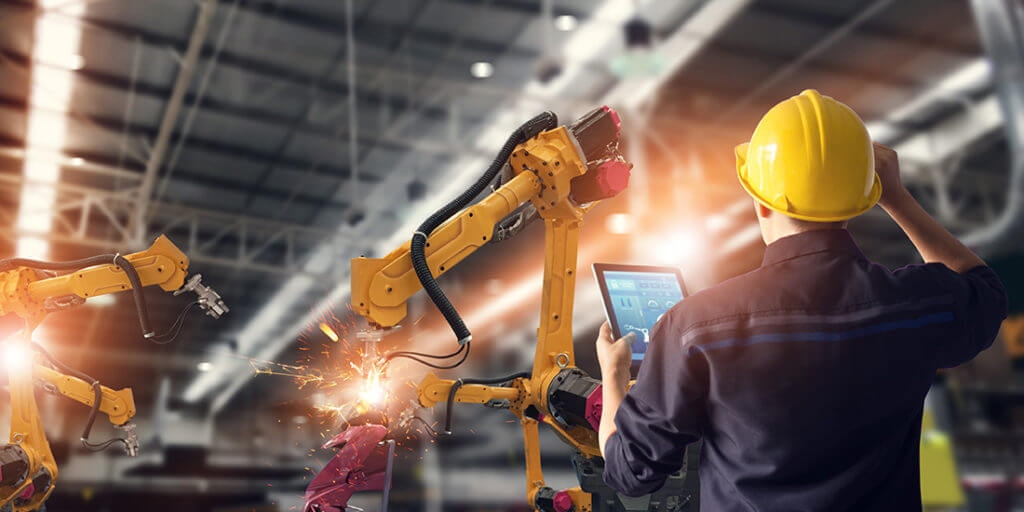
At the same time, responsible technology adoption will become increasingly important. Organizations will need to consider data privacy, transparency, security, workforce development, and ethical use of AI while pursuing innovation.
How Businesses Can Prepare for the Technology Shift
Companies do not need to transform everything at once. A practical strategy starts by identifying areas where technology can deliver measurable value.
Businesses can begin by:
- Identifying inefficient or repetitive processes.
- Establishing clear digital transformation objectives.
- Improving data quality and accessibility.
- Testing technology through focused pilot projects.
- Training employees before major system changes.
- Measuring performance using meaningful business metrics.
- Expanding successful solutions gradually.
This approach reduces unnecessary spending and allows organizations to learn from real-world results. Technology investments should always connect to measurable outcomes such as productivity, revenue, customer satisfaction, cost reduction, quality, or operational resilience.
Conclusion
Modern innovation is no longer driven by a single breakthrough. It comes from combining technologies in ways that solve real business challenges. AI can provide intelligence, cloud platforms can provide flexibility, connected devices can generate information, automation can improve efficiency, and analytics can turn raw data into useful insights. Wave Tech reflects this larger movement toward smarter and more connected industries. Its importance lies not simply in the technology itself, but in how digital capabilities can be integrated into everyday business operations. Organizations that approach technology strategically can become more adaptable, efficient, and customer-focused. As industries continue to evolve, businesses that combine innovation with strong security, skilled employees, reliable data, and clear objectives will be better prepared for the future. The real advantage of modern technology is therefore not just doing things digitally—it is creating better ways to work, compete, and grow.