


Technology is entering a period of rapid transformation, with artificial intelligence, automation, cloud platforms, connected devices, and advanced data systems changing how organizations operate. Businesses are no longer adopting technology simply to improve efficiency; they are using it to create new products, understand customers, reduce operational complexity, and compete in increasingly digital markets. Wave Tech represents this broader movement toward smarter, faster, and more connected technology solutions. From intelligent automation to edge computing, emerging trends are creating opportunities across nearly every industry. Companies that understand these developments can make better technology investments and prepare their teams for future demands. At the same time, consumers are gaining access to more personalized and responsive digital experiences. The future will not be shaped by one technology alone but by the interaction of multiple innovations working together.
1. Artificial Intelligence Becomes More Practical
Artificial intelligence is moving beyond experimental projects and becoming part of everyday business operations. Organizations are using AI to analyze information, automate repetitive tasks, improve customer interactions, identify patterns, and support decision-making. Generative AI is also changing how people create text, software, designs, reports, and other digital materials. Instead of replacing every human activity, modern AI is increasingly being positioned as a productivity partner that helps employees complete complex work faster.
The next stage of Wave Tech development will focus on making AI more reliable, accessible, and specialized. Businesses are expected to adopt smaller domain-specific AI systems alongside larger models. This can help organizations address particular requirements while improving control over data and workflows. As AI becomes embedded into business applications, companies will increasingly evaluate these tools based on measurable outcomes such as productivity, accuracy, customer satisfaction, and operating costs.
Why AI Matters
Key developments include:
- AI-powered business assistants
- Automated content and data analysis
- Predictive decision-making
- Intelligent customer support
- AI-assisted software development
2. Edge Computing Moves Data Closer
Traditional cloud computing has transformed how businesses store and process information, but the growing number of connected devices is creating new demands. Edge computing addresses this challenge by processing certain information closer to where it is generated. This can reduce delays and support applications that require rapid responses.
Factories, transportation systems, smart buildings, healthcare technologies, and connected retail environments can benefit from local processing. For example, an industrial machine may analyze sensor information immediately instead of sending every data point to a distant server. This approach can improve responsiveness while reducing unnecessary network traffic.
As part of the broader Wave Tech landscape, edge computing is becoming especially important for organizations managing large volumes of real-time data. Its growth will likely continue alongside cloud services rather than replacing them. A combination of centralized cloud infrastructure and distributed edge processing can give businesses greater flexibility.
3. Automation Transforms Business Workflows
Automation is becoming more sophisticated as businesses combine software, AI, robotics, and data analytics. Earlier automation systems typically followed predefined instructions, while modern intelligent automation can respond to changing information and support more complicated workflows.
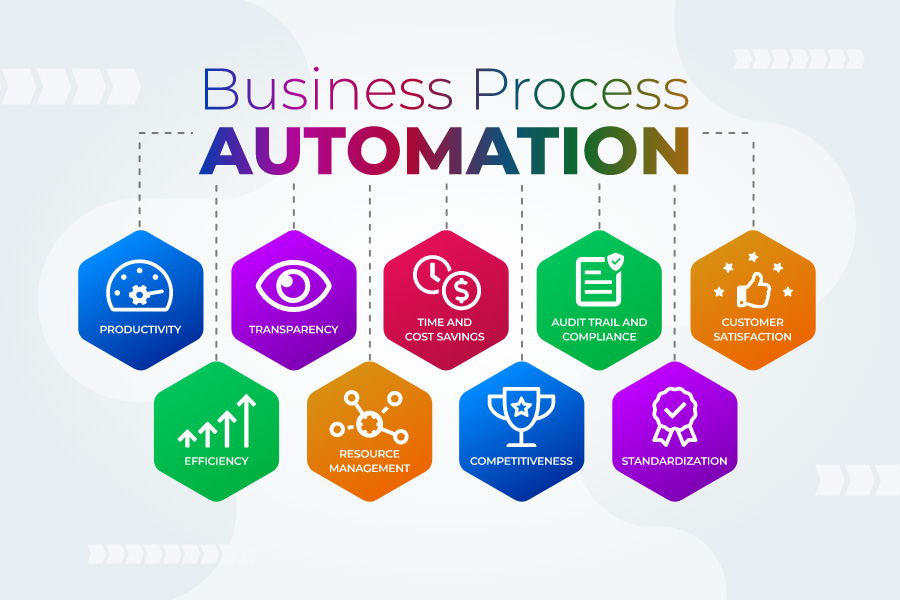
Businesses can automate processes such as document classification, inventory monitoring, appointment management, invoice processing, customer communication, and quality control. This allows employees to spend more time on activities requiring judgment, creativity, and interpersonal skills.
The expanding Wave Tech ecosystem is making automation more accessible to organizations of different sizes. Small businesses can use automated tools to manage routine administrative work, while larger enterprises can coordinate complex processes across multiple departments. The most successful automation strategies will focus on improving complete workflows rather than simply automating individual tasks.
4. Cybersecurity Becomes More Intelligent
As digital systems expand, cybersecurity is becoming an essential part of technology strategy. Organizations face risks from phishing, ransomware, credential theft, malicious software, data breaches, and increasingly sophisticated attacks. Conventional security methods alone may not be enough to protect large and complex digital environments.
AI and machine learning can help security teams identify unusual behavior, prioritize threats, and respond to suspicious activity more quickly. Businesses are also moving toward stronger identity management, zero-trust approaches, continuous monitoring, and improved employee security awareness.
Future Wave Tech solutions will increasingly integrate security into technology from the beginning rather than treating it as an additional layer. This approach can help organizations protect information while maintaining convenient access for legitimate users. Security will become a shared responsibility involving technology, employees, policies, and ongoing risk assessment.
5. Cloud Technology Continues to Evolve
Cloud computing remains one of the foundations of modern digital infrastructure. However, the cloud is evolving beyond basic storage and application hosting. Organizations are increasingly adopting hybrid and multi-cloud strategies to combine different infrastructure environments according to performance, security, cost, and operational requirements.
Cloud-native development is also helping businesses build applications that can scale more efficiently. Serverless computing, containerization, managed databases, and cloud-based AI services are reducing the amount of infrastructure organizations need to manage directly.
The future of Wave Tech will depend heavily on flexible cloud environments that can support AI, analytics, automation, and connected applications. Companies will need to pay close attention to cloud costs, data governance, application performance, and security as their digital operations expand.
6. Internet of Things Creates Connected Ecosystems
The Internet of Things is expanding the relationship between physical objects and digital systems. Sensors and connected devices can collect information from homes, factories, vehicles, farms, warehouses, and commercial facilities.
Rather than simply collecting data, modern IoT ecosystems are becoming more intelligent. Connected devices can trigger automated actions, provide real-time alerts, and contribute to predictive analytics. A manufacturing facility, for example, can monitor equipment conditions and identify potential maintenance requirements before a serious breakdown occurs.
This trend supports the Wave Tech vision of interconnected technology where physical environments continuously communicate with digital platforms. As connectivity improves, organizations will have more opportunities to optimize resources, reduce waste, improve safety, and deliver personalized services.
7. Data Analytics Drives Better Decisions
Data has become one of the most valuable resources for modern organizations. However, collecting large amounts of information is not enough. Businesses need systems that can turn raw data into meaningful insights.
Advanced analytics platforms can help organizations identify customer preferences, operational inefficiencies, market opportunities, and potential risks. Real-time analytics can also allow businesses to respond quickly when conditions change.
Future Wave Tech strategies will increasingly combine analytics with AI and automation. Instead of simply presenting reports to decision-makers, intelligent systems can identify important patterns and recommend possible actions. This creates a more proactive approach to business management and allows organizations to make decisions based on current information rather than outdated assumptions.
8. Robotics and Intelligent Machines Expand
Robotics is developing beyond traditional industrial applications. Modern robots are being used in logistics, manufacturing, agriculture, healthcare, hospitality, and other environments where repetitive or physically demanding work is involved.
Advances in sensors, computer vision, machine learning, and robotic control systems are making machines more adaptable. Collaborative robots can also work alongside people in carefully designed environments, supporting tasks without requiring complete replacement of human workers.
The growth of Wave Tech is closely connected with this shift toward intelligent physical systems. Future robotics will likely focus on collaboration, precision, adaptability, and safety. Organizations adopting robotics will need to consider workforce training and process redesign alongside hardware investment.
Technology Trends at a Glance
| Technology Trend | Primary Impact | Business Opportunity |
|---|---|---|
| Artificial Intelligence | Smarter decisions | Productivity and personalization |
| Edge Computing | Faster processing | Real-time applications |
| Automation | Reduced repetitive work | Operational efficiency |
| Cybersecurity | Stronger protection | Risk reduction |
| Cloud Computing | Flexible infrastructure | Scalability |
| IoT | Connected environments | Monitoring and optimization |
| Data Analytics | Better insights | Strategic decision-making |
| Robotics | Intelligent physical work | Productivity and precision |
9. Sustainable Technology Gains Importance
Environmental considerations are increasingly influencing technology decisions. Organizations are looking for ways to reduce energy consumption, improve resource efficiency, and minimize digital infrastructure costs.
Energy-efficient data centers, intelligent building systems, smart grids, renewable-energy technologies, and optimized computing infrastructure are examples of how technology can support sustainability goals. AI and analytics can also help organizations monitor energy usage and identify areas where resources are being wasted.
This creates another important direction for Wave Tech, where technological progress is increasingly connected with responsible resource management. Future technology solutions will be evaluated not only by their performance but also by their energy requirements, lifecycle impact, and contribution to sustainable operations.
10. Human-Centered Technology Shapes the Future
Despite rapid advances in automation and AI, people remain central to successful technology adoption. The most useful innovations are those that solve genuine problems and make digital experiences easier rather than unnecessarily complicated.
Human-centered design focuses on accessibility, simplicity, trust, personalization, and usability. Businesses are increasingly expected to create digital products that work effectively for people with different skills, needs, and preferences.
The future of Wave Tech will therefore involve collaboration between people and intelligent systems. Employees will need new digital skills, organizations will need responsible technology policies, and developers will need to consider the human consequences of their products. Technology becomes more valuable when it strengthens human capabilities instead of creating unnecessary complexity.
Preparing for the Next Technology Wave
Businesses can prepare for these changes by taking a practical approach instead of adopting every new technology immediately. A clear strategy should connect technology investments with measurable business objectives.
Organizations should consider:
- Identifying repetitive processes suitable for automation
- Improving employee digital skills
- Strengthening cybersecurity practices
- Reviewing cloud and data infrastructure
- Testing AI through controlled projects
- Measuring technology performance and return on investment
- Building flexible systems that can adapt to future innovations
The goal is not to follow every trend. It is to identify technologies that can create meaningful and sustainable value.
Conclusion
The future of technology will be defined by convergence. AI will work alongside automation, cloud computing will connect with edge infrastructure, IoT will generate new streams of data, and cybersecurity will become increasingly intelligent. At the same time, robotics, analytics, and sustainable technologies will reshape how organizations operate in the physical and digital worlds. Wave Tech captures this shift toward interconnected, intelligent, and adaptable technology. Businesses that invest thoughtfully in these trends can improve efficiency, strengthen customer experiences, and discover new opportunities for growth. The most successful organizations will not simply adopt technology because it is new. They will understand its purpose, prepare their people, protect their systems, and use innovation to solve real problems. As these trends continue to develop, technology will become less of a separate business function and more deeply integrated into how modern organizations create value.