
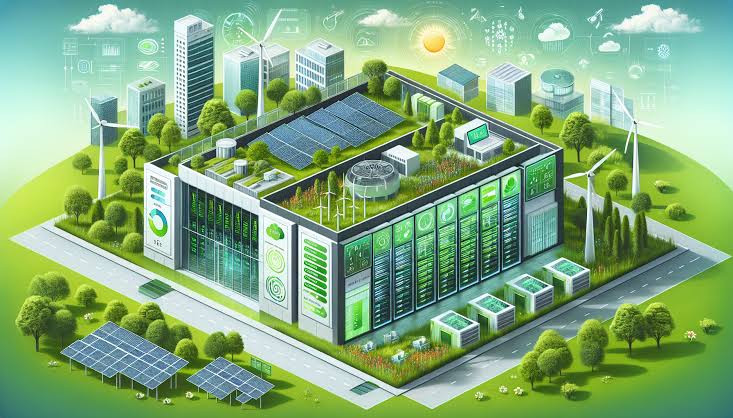

The rapid growth of cloud computing, artificial intelligence, digital services, and connected devices has made data centers a critical part of modern business. However, the infrastructure required to store, process, and transmit enormous volumes of information can consume significant amounts of electricity and water. This has created a growing need for more sustainable approaches to IT infrastructure. Green data centers address this challenge by combining energy-efficient hardware, intelligent cooling, renewable energy, efficient power management, and responsible resource usage.
For organizations looking to improve their environmental performance without sacrificing reliability, sustainable data center design offers a practical path forward. wave tech recognizes that modern IT performance should not be measured only by processing speed and uptime. Energy efficiency, operational resilience, resource optimization, and long-term environmental impact are becoming equally important. By adopting greener infrastructure strategies, organizations can reduce unnecessary consumption while maintaining the computing capacity needed for demanding workloads.
What Is a Green Data Center?
A green data center is a facility designed and operated to minimize environmental impact while delivering reliable computing, storage, networking, and cooling services. Traditional facilities may prioritize availability and capacity without fully optimizing energy consumption. Green facilities take a broader approach, considering how electricity, cooling, equipment, buildings, and operational processes interact.
The goal is not simply to use renewable electricity. A genuinely sustainable data center considers efficiency throughout its entire lifecycle. Servers should consume less power, cooling systems should avoid unnecessary energy use, and workloads should be managed intelligently. Even the physical building can contribute through insulation, efficient lighting, airflow management, and environmentally responsible construction materials.
Key characteristics often include:
- High-efficiency servers and networking equipment
- Renewable or low-carbon energy sources
- Advanced cooling technologies
- Intelligent power distribution
- Automated energy monitoring
- Efficient workload management
- Reduced electronic waste
- Responsible water consumption
- Equipment designed for longer service life
This holistic approach allows businesses to pursue sustainability while continuing to meet demanding digital requirements.
Why Sustainable IT Performance Matters
Sustainable IT performance goes beyond environmental responsibility. Energy efficiency can directly influence operating expenses, infrastructure planning, and business resilience. Electricity is one of the major ongoing costs associated with data center operations, particularly in facilities running intensive workloads around the clock.
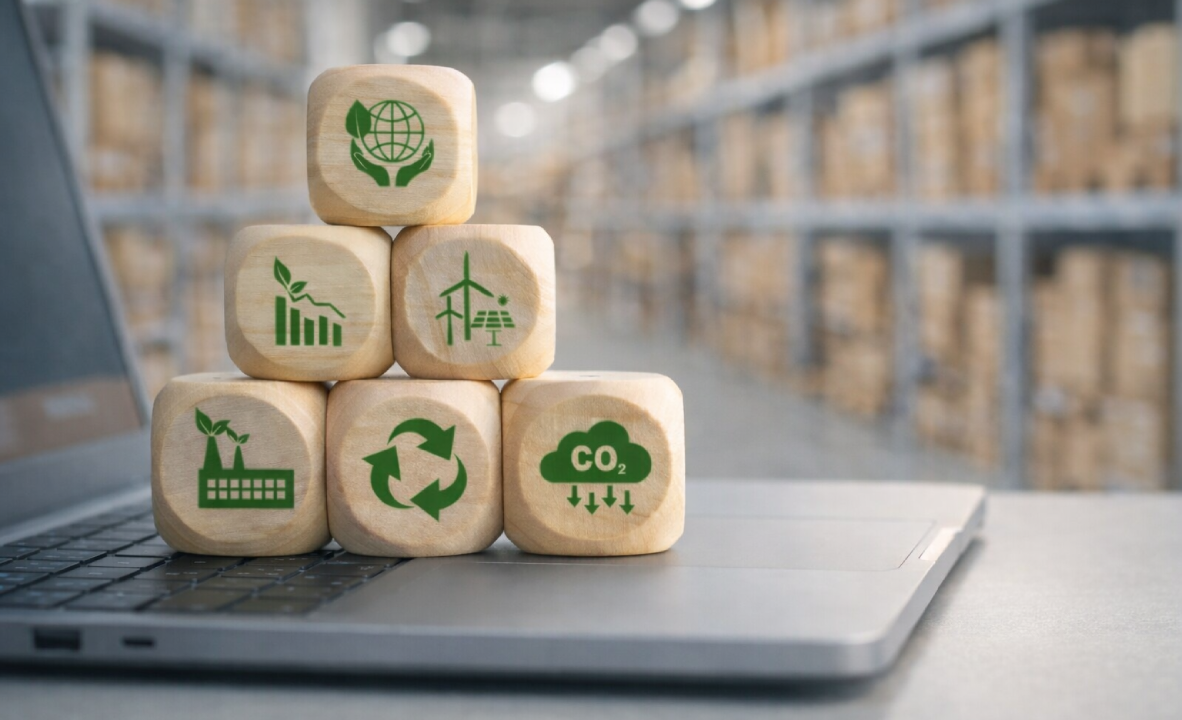
When computing resources are poorly utilized, organizations may pay for electricity and cooling capacity that provides little productive value. Sustainable optimization helps identify these inefficiencies and redirect resources toward useful workloads.
wave tech approaches sustainable IT performance as a balance between computing capability and resource consumption. A well-designed environment should deliver the required performance while using as little energy and material resources as reasonably possible.
The business advantages can include:
- Lower electricity expenses
- More efficient infrastructure utilization
- Reduced carbon emissions
- Better equipment lifecycle management
- Improved operational visibility
- Greater preparedness for energy-price fluctuations
- Stronger environmental performance
- More efficient capacity planning
Sustainability therefore becomes an operational strategy rather than simply a corporate responsibility initiative.
How Green Data Centers Reduce Energy Consumption
Improving Server Efficiency
Servers are responsible for a substantial portion of data center electricity consumption. Older systems may consume considerable power even when workloads are relatively light. Modern processors, virtualization technologies, and energy-aware server configurations can deliver substantially better performance per unit of electricity.
Virtualization is especially useful because multiple applications can share physical computing resources. Instead of operating numerous underutilized servers, businesses can consolidate workloads onto fewer machines while maintaining appropriate performance levels.
Workload scheduling can further improve efficiency. Non-urgent processing tasks can sometimes be shifted to periods when electricity demand or carbon intensity is lower. Automated systems can also scale computing resources according to demand, reducing wasted capacity during quiet periods.
Using Smarter Cooling Systems
Cooling is another major component of data center energy consumption. Computers generate heat continuously, and that heat must be removed to prevent equipment failures.
Traditional cooling systems can waste energy when they operate at fixed settings regardless of actual conditions. Modern facilities use temperature sensors, airflow monitoring, variable-speed fans, containment strategies, and intelligent controls to match cooling output with real requirements.
Some facilities can also use outside environmental conditions to reduce reliance on mechanical cooling. Depending on location and climate, techniques such as air-side or liquid-based cooling can improve efficiency for specific workloads.
Renewable Energy and Green Power Strategies
Switching to cleaner electricity is an important component of sustainable data center operations. Solar, wind, hydroelectric, and other renewable sources can reduce the carbon intensity associated with computing workloads.
However, simply purchasing renewable electricity does not solve every efficiency problem. An inefficient facility powered by renewable energy can still waste valuable resources. The strongest sustainability strategies combine clean energy with efficient infrastructure.
Organizations can evaluate:
- The electricity source supplying the facility.
- The carbon intensity of available energy.
- Opportunities for on-site renewable generation.
- Energy storage requirements.
- Demand-response opportunities.
- Long-term energy procurement strategies.
wave tech highlights the importance of considering energy efficiency and energy sourcing together. Reducing the amount of electricity required is valuable, while obtaining that electricity from cleaner sources can further reduce environmental impact.
The Role of Intelligent Monitoring
A data center cannot efficiently manage resources that it cannot measure. Continuous monitoring allows operators to understand where electricity is being consumed and identify unusual patterns.
Sensors and management platforms can monitor server loads, temperatures, cooling requirements, power distribution, and equipment performance. This information can then be used to identify areas where energy consumption is unnecessarily high.
For example, if one server cluster consistently operates at low utilization while consuming substantial power, administrators can investigate whether workloads should be consolidated. Similarly, if a cooling zone uses excessive energy compared with neighboring areas, airflow or equipment configuration may need adjustment.
Effective monitoring can provide:
- Real-time energy visibility
- Equipment utilization data
- Temperature and humidity information
- Cooling performance measurements
- Capacity planning insights
- Early warning of equipment problems
- Historical performance comparisons
Data-driven management transforms sustainability from an assumption into something that can be measured and improved.
Green Data Centers and Artificial Intelligence
Artificial intelligence has introduced new challenges for sustainable computing. AI workloads can require powerful processors and accelerators that consume considerably more electricity than many conventional applications. As organizations expand AI deployments, data center efficiency becomes increasingly important.
AI itself can also contribute to sustainability. Intelligent systems can analyze facility data and identify patterns that human operators may overlook. Predictive algorithms can forecast workloads, optimize cooling requirements, and detect equipment behavior that could indicate future problems.
The relationship between AI and green infrastructure therefore works in both directions. AI can increase energy demand, but intelligent automation can also help reduce waste elsewhere in the facility.
Organizations should consider:
- Matching computing hardware to workload requirements
- Avoiding unnecessary overprovisioning
- Optimizing accelerator utilization
- Scheduling workloads intelligently
- Monitoring power consumption per workload
- Using predictive maintenance techniques
The objective should be to achieve useful AI performance rather than simply maximize computational capacity.
Water Efficiency Is Part of Sustainable Data Center Design
Energy often receives the most attention in sustainability discussions, but water consumption can also be significant. Certain cooling systems depend heavily on water to remove heat from computing environments.
Water-efficient designs can reduce this burden through improved cooling technologies, closed-loop systems, better controls, and careful facility planning. Organizations should assess local water availability before selecting a cooling strategy because a technology that works efficiently in one region may create greater environmental pressure in another.
Sustainability planning should therefore consider both energy and water. A data center with excellent electricity efficiency may still face sustainability challenges if its cooling infrastructure places excessive pressure on local water resources.
Comparing Major Green Data Center Strategies
| Strategy | Primary Benefit | Potential Impact | Best Application |
|---|---|---|---|
| Server virtualization | Better hardware utilization | Reduces unnecessary computing capacity | General enterprise workloads |
| Renewable energy | Lower-carbon electricity | Reduces operational emissions | Large-scale facilities |
| Advanced cooling | Lower cooling energy | Improves power efficiency | High-density computing |
| Workload optimization | Matches resources to demand | Reduces idle consumption | Cloud and variable workloads |
| Smart monitoring | Greater operational visibility | Identifies energy waste | All facility types |
| Liquid cooling | Efficient heat removal | Supports dense computing | AI and high-performance workloads |
| Equipment lifecycle management | Less hardware waste | Reduces material consumption | Long-term infrastructure planning |
The most effective approach usually combines several of these strategies rather than relying on a single technology.
Reducing Electronic Waste Through Better Lifecycle Management
Sustainable IT also involves what happens to equipment after years of operation. Servers, storage devices, networking components, batteries, and other hardware eventually require replacement. Poor disposal practices can increase electronic waste and cause valuable materials to be lost.
Organizations can improve sustainability by extending equipment lifespans where practical, repairing components, redeploying suitable hardware, and responsibly recycling equipment that can no longer be used.
Lifecycle planning should begin before equipment is purchased. Buyers can consider energy efficiency, repairability, upgrade potential, expected service life, and responsible end-of-life options.
This approach helps reduce the environmental impact associated with manufacturing and transporting replacement equipment. It can also reduce procurement costs when hardware remains useful for longer.
How Sustainable Data Centers Can Lower Operating Costs
Sustainability and cost efficiency are often closely connected. Every unnecessary watt of electricity consumed creates an ongoing operating expense. Inefficient cooling can similarly increase costs without improving computing output.
When organizations consolidate workloads, optimize cooling, automate resource allocation, and monitor energy usage, they can potentially reduce recurring infrastructure expenses.


wave tech emphasizes the idea that sustainable infrastructure should provide measurable operational value. Instead of viewing green technology as an additional expense, organizations can evaluate it as an investment in efficiency, resilience, and long-term infrastructure performance.
Savings may emerge from several areas:
- Reduced electricity consumption
- Lower cooling requirements
- Better hardware utilization
- Fewer premature equipment replacements
- Reduced maintenance inefficiencies
- Improved infrastructure planning
The exact financial outcome depends on facility size, workload characteristics, energy prices, location, and technology choices.
Building a Practical Green Data Center Strategy
Transitioning toward sustainable infrastructure does not always require replacing an entire facility. Organizations can begin with measurable improvements and gradually introduce more advanced technologies.
Step 1: Establish a Baseline
Measure current electricity consumption, cooling requirements, server utilization, water usage, and equipment age. Without a baseline, it is difficult to determine whether sustainability investments are producing meaningful results.
Step 2: Identify the Biggest Sources of Waste
Look for underutilized servers, excessive cooling, inefficient power distribution, outdated equipment, and workloads that can be consolidated.
Step 3: Prioritize High-Impact Improvements
Focus first on changes capable of producing meaningful efficiency gains. These might include virtualization, airflow improvements, server consolidation, or automated workload management.
Step 4: Introduce Cleaner Energy
Once operational efficiency has improved, organizations can increase the share of renewable or lower-carbon electricity supporting their infrastructure.
Step 5: Continuously Measure Results
Sustainability is an ongoing process. Energy efficiency should be monitored over time, with performance targets reviewed as workloads and technology change.
The Future of Sustainable IT Infrastructure
The future of data center sustainability will likely involve closer integration between computing, energy systems, automation, and environmental management. As workloads become more demanding, operators will need better ways to deliver high performance without allowing energy consumption to rise at the same rate.
Advanced cooling, workload-aware infrastructure, renewable power, energy storage, intelligent automation, and increasingly efficient processors can all contribute to this transformation.
The most important change, however, may be the way organizations define performance. A facility that processes more workloads while consuming dramatically more energy is not necessarily more efficient. Sustainable performance focuses on the value produced relative to the resources consumed.
wave tech supports the broader principle that digital growth and environmental responsibility do not have to exist on opposite sides. With thoughtful infrastructure planning, organizations can improve computing performance while reducing waste and controlling resource consumption.
Conclusion
Green data centers represent an important evolution in the way organizations think about digital infrastructure. Instead of focusing exclusively on processing power, storage capacity, and uptime, sustainable data center strategies consider the complete relationship between technology and resources. Energy-efficient hardware, intelligent cooling, renewable electricity, workload optimization, continuous monitoring, water conservation, and responsible equipment lifecycle management can work together to create more sustainable IT environments. These practices can also improve operational efficiency and reduce unnecessary costs.
The path toward greener infrastructure does not need to happen overnight. Organizations can begin by measuring current performance, identifying the largest inefficiencies, and implementing improvements according to their business priorities. As technology advances, those foundations can support more sophisticated approaches to automation, renewable energy, and high-density computing.