
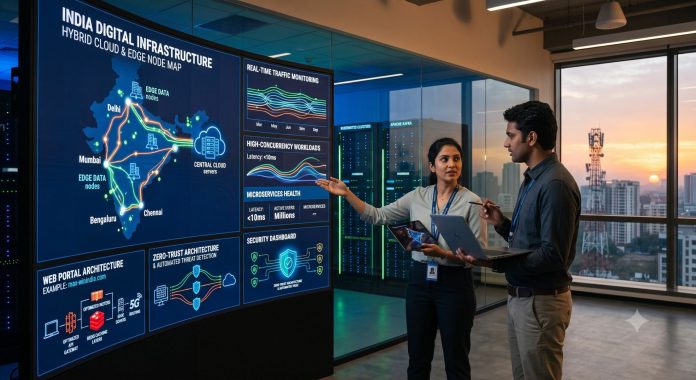


Digital transformation has become a strategic priority for businesses that want to remain competitive, responsive, and prepared for changing customer expectations. Companies today need more than basic software and hardware to operate effectively. They require connected systems, reliable infrastructure, intelligent automation, strong cybersecurity, and technology strategies that can evolve alongside their goals. This is where Wave Tech can play an important role in supporting modern digital growth.
Advanced IT solutions help organizations simplify complex processes, improve collaboration, protect valuable information, and make better use of data. Whether a company is expanding its online presence, modernizing outdated systems, moving operations to the cloud, or improving customer experiences, the right technology foundation can make a measurable difference. A thoughtful IT strategy also allows businesses to respond faster to market changes while reducing unnecessary operational friction.
Why Advanced IT Solutions Matter for Modern Businesses
Traditional technology environments can become difficult to manage as organizations grow. Separate applications, manual workflows, outdated servers, inconsistent security practices, and disconnected databases may create unnecessary costs and delays. Advanced IT solutions bring these elements together through more coordinated and scalable systems.
A modern IT environment can help employees access information faster, automate repetitive tasks, communicate more effectively, and work securely from different locations. Instead of treating technology as an isolated expense, businesses can use it as a growth engine.
The strongest technology strategies generally focus on several objectives:
- Improving operational efficiency
- Strengthening cybersecurity and data protection
- Supporting remote and hybrid collaboration
- Automating repetitive business processes
- Making systems easier to scale
- Turning business data into useful insights
When these capabilities work together, technology becomes more valuable to both employees and customers.
How Wave Tech Supports Digital Transformation
Successful digital transformation is not simply about purchasing new software. It involves understanding existing challenges, identifying opportunities, selecting suitable technologies, and implementing them in a practical way. Wave Tech can be viewed as part of this broader technology approach, helping businesses consider how different IT capabilities can contribute to measurable improvements.
For example, a growing company may struggle with manually processing customer requests. An integrated digital workflow could automate notifications, organize customer information, assign tasks, and provide managers with real-time visibility. Another organization might have difficulty managing data across multiple departments. Centralized systems can help reduce duplication and create a more consistent information environment.
The key is alignment. Technology should solve actual business problems rather than introduce unnecessary complexity.
Cloud Technology for Flexible Business Operations
Cloud computing has changed the way organizations manage applications, storage, infrastructure, and collaboration. Instead of depending entirely on physical equipment at a single location, businesses can use cloud-based resources that are easier to expand and manage.
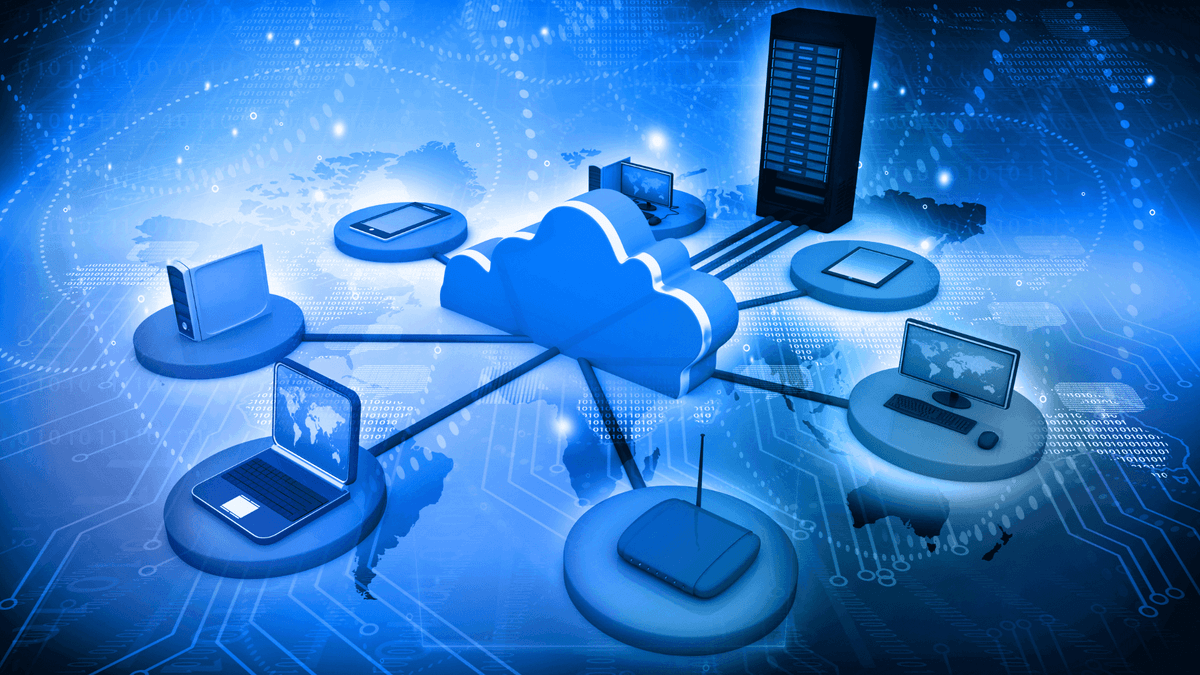
Cloud solutions can support businesses in several ways. Employees can access approved applications and files from different locations, while organizations can adjust computing resources as their requirements change. Cloud-based systems may also simplify backup strategies, software deployment, and disaster recovery planning.
For growing businesses, this flexibility is particularly valuable. A company experiencing seasonal demand, launching a new service, or entering another market can adapt its technology environment without necessarily making large investments in physical infrastructure.
With Wave Tech, organizations can approach cloud adoption as part of a larger digital growth strategy rather than treating migration as a standalone technical project.
Cybersecurity as a Core Business Priority
As businesses become increasingly dependent on digital systems, cybersecurity has moved from an IT concern to a business-critical responsibility. Cyberattacks, unauthorized access, data loss, and system disruptions can affect finances, reputation, customer trust, and daily operations.
A strong security strategy should combine technology, policies, monitoring, and employee awareness. Businesses can strengthen their defenses through measures such as access controls, multi-factor authentication, secure backups, endpoint protection, network monitoring, and regular security assessments.
Employee education is equally important. Even sophisticated security systems can be weakened by unsafe passwords, suspicious downloads, phishing attempts, or inappropriate access practices.
An advanced IT strategy therefore treats cybersecurity as an ongoing process. Wave Tech can support the broader objective of creating technology environments where security is incorporated into everyday operations instead of being added only after a problem occurs.
Business Automation and Smarter Workflows
Automation is another major component of digital growth. Many businesses still spend valuable employee time performing repetitive activities that could be handled by technology. Automating suitable processes allows teams to focus more attention on customer service, strategy, creativity, and problem-solving.
Common opportunities for automation include:
- Customer notifications
- Invoice and payment workflows
- Employee onboarding
- Appointment scheduling
- Data entry
- Internal approvals
- Inventory updates
- Routine reporting
Automation does not mean eliminating human involvement from every process. Instead, it should remove unnecessary manual work while allowing employees to remain responsible for decisions that require judgment and expertise.
When implemented carefully, Wave Tech solutions can contribute to workflows that are faster, more consistent, and easier to monitor.
Data-Driven Decision Making
Data has become one of the most valuable resources for modern organizations. However, collecting information is only the first step. Businesses need systems that organize, analyze, and present data in ways decision-makers can understand.
Business intelligence tools can help leaders examine sales performance, customer behavior, operational costs, inventory movement, marketing results, and other important indicators. Instead of relying entirely on assumptions, managers can use current information to identify trends and evaluate opportunities.
For instance, an online retailer could analyze purchasing patterns to improve inventory planning. A service provider might review customer support data to identify recurring issues. A manufacturing company could examine operational information to locate bottlenecks.
By connecting technology with measurable business objectives, Wave Tech can become part of a data-focused strategy designed to improve both everyday decisions and long-term planning.
Scalable Infrastructure for Growing Companies
Growth often exposes weaknesses in an organization’s technology infrastructure. Systems that worked well for a small team may become slow, expensive, or difficult to maintain when employee numbers, customers, transactions, and data volumes increase.
Scalability should therefore be considered before expansion occurs. Businesses need infrastructure that can accommodate additional users, applications, devices, and workloads without creating major disruptions.
A scalable IT environment may involve cloud resources, flexible networking, centralized management, modern applications, and carefully planned storage solutions. It should also include clear processes for monitoring performance and identifying capacity issues.
The goal is simple: technology should support growth rather than become a barrier to it. Wave Tech can fit into this approach by helping organizations think beyond immediate requirements and prepare their IT environment for future demands.
Improving Customer Experience Through Technology
Customers increasingly expect businesses to provide fast, convenient, and consistent digital experiences. Slow websites, complicated processes, delayed responses, and disconnected communication channels can quickly affect customer satisfaction.
Advanced IT solutions can improve the customer journey by connecting different business functions. Customer relationship management platforms, automated communication, self-service portals, analytics systems, and personalized digital experiences can help organizations respond more effectively.

Consider a customer who submits a support request. An integrated system can record the request, notify the appropriate team member, track progress, and maintain communication with the customer. This creates greater transparency while reducing the possibility of missed information.
Technology therefore affects not only internal efficiency but also how customers perceive a business.
A Practical Comparison of IT Priorities
| IT Area | Business Benefit | Growth Impact |
|---|---|---|
| Cloud Computing | Flexible access and infrastructure | Easier expansion |
| Cybersecurity | Reduced digital risk | Greater trust and resilience |
| Automation | Less repetitive work | Higher productivity |
| Data Analytics | Better business insights | Smarter decisions |
| IT Infrastructure | Improved system performance | Stronger scalability |
| Digital Collaboration | Better teamwork | Faster project execution |
This combination demonstrates why businesses should avoid focusing on one technology in isolation. Digital growth usually comes from creating an ecosystem in which different IT capabilities complement one another.
Building a Future-Ready IT Strategy
A future-ready technology strategy should begin with business objectives. Leaders should identify the challenges they want technology to solve before selecting specific tools or platforms.
The process can include assessing current infrastructure, reviewing security risks, identifying inefficient workflows, understanding customer expectations, and prioritizing projects according to their potential business value.
Implementation should also be gradual when appropriate. Businesses do not always need to replace every system at once. A phased approach can make adoption easier, reduce disruption, and provide opportunities to measure results before expanding the initiative.
Regular evaluation is equally important. Technology changes rapidly, and an effective solution today may require upgrades or adjustments tomorrow. Continuous improvement keeps IT investments aligned with changing business needs.
Conclusion
Advanced IT solutions are becoming essential for organizations that want sustainable digital growth. From cloud computing and cybersecurity to automation, analytics, scalable infrastructure, and digital collaboration, modern technology can improve nearly every area of business operations. The most effective strategy is not simply to adopt as many technologies as possible. Businesses should choose solutions that address genuine challenges, create measurable value, and remain adaptable as the organization develops. Wave Tech can be part of that forward-looking approach by helping businesses connect technology with productivity, security, customer experience, and strategic growth. In an increasingly digital marketplace, companies that build a strong technological foundation are better positioned to respond to opportunities and challenges. With the right IT strategy, technology becomes more than operational support—it becomes a practical driver of innovation, efficiency, resilience, and long-term business success.