
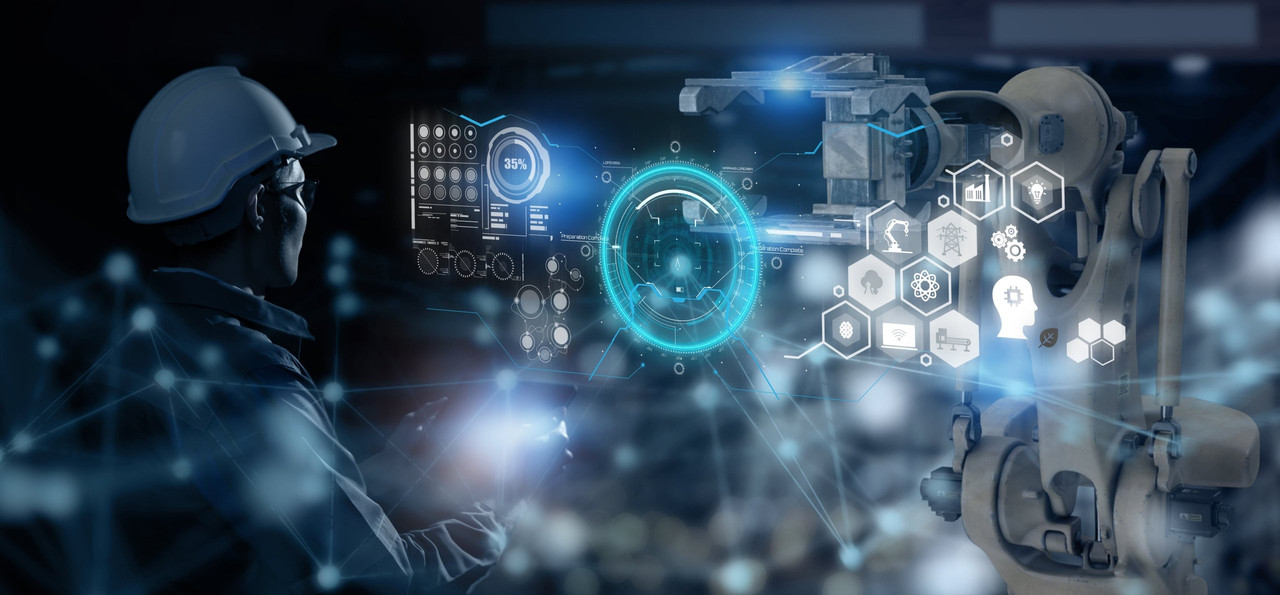


Industrial operations are entering a new era where physical assets can be monitored, analyzed, and optimized through highly accurate digital representations. Digital twins are at the center of this transformation, giving organizations a virtual model of machines, production lines, facilities, and entire industrial environments. Instead of waiting for equipment failures or relying entirely on historical reports, businesses can observe how assets behave and use real-time information to make better operational decisions.
The growing integration of sensors, artificial intelligence, industrial Internet of Things platforms, cloud computing, and advanced analytics is making digital twins more powerful than ever. Within this ecosystem, wave tech can support sophisticated data-driven approaches that help organizations understand operational patterns and respond to changing conditions. From manufacturing floors and energy facilities to logistics centers and large infrastructure projects, digital twin applications are changing how industrial teams plan, operate, maintain, and improve their assets.
What Are Digital Twins in Industrial Operations?
A digital twin is a virtual representation of a physical object, system, process, or environment. It continuously receives information from the real-world counterpart through connected sensors, machines, software systems, and other data sources. This allows the digital model to reflect current operating conditions rather than simply representing how an asset looked when it was first designed.
For industrial organizations, this creates a dynamic environment for testing ideas without immediately interfering with physical operations. Engineers can simulate different production conditions, maintenance schedules, workloads, or environmental scenarios and evaluate potential outcomes.
The value of a digital twin comes from its ability to connect physical performance with digital analysis. A factory manager, for example, can examine machine temperatures, vibration levels, energy consumption, production speed, and maintenance history from a unified digital environment. This broader view can reveal relationships that may be difficult to identify through individual monitoring systems.
How Digital Twins Are Changing Industrial Decision-Making
Traditional industrial management often depends on scheduled inspections, historical records, and manual assessments. While these methods remain useful, they can make it difficult to detect subtle changes before they become operational problems.
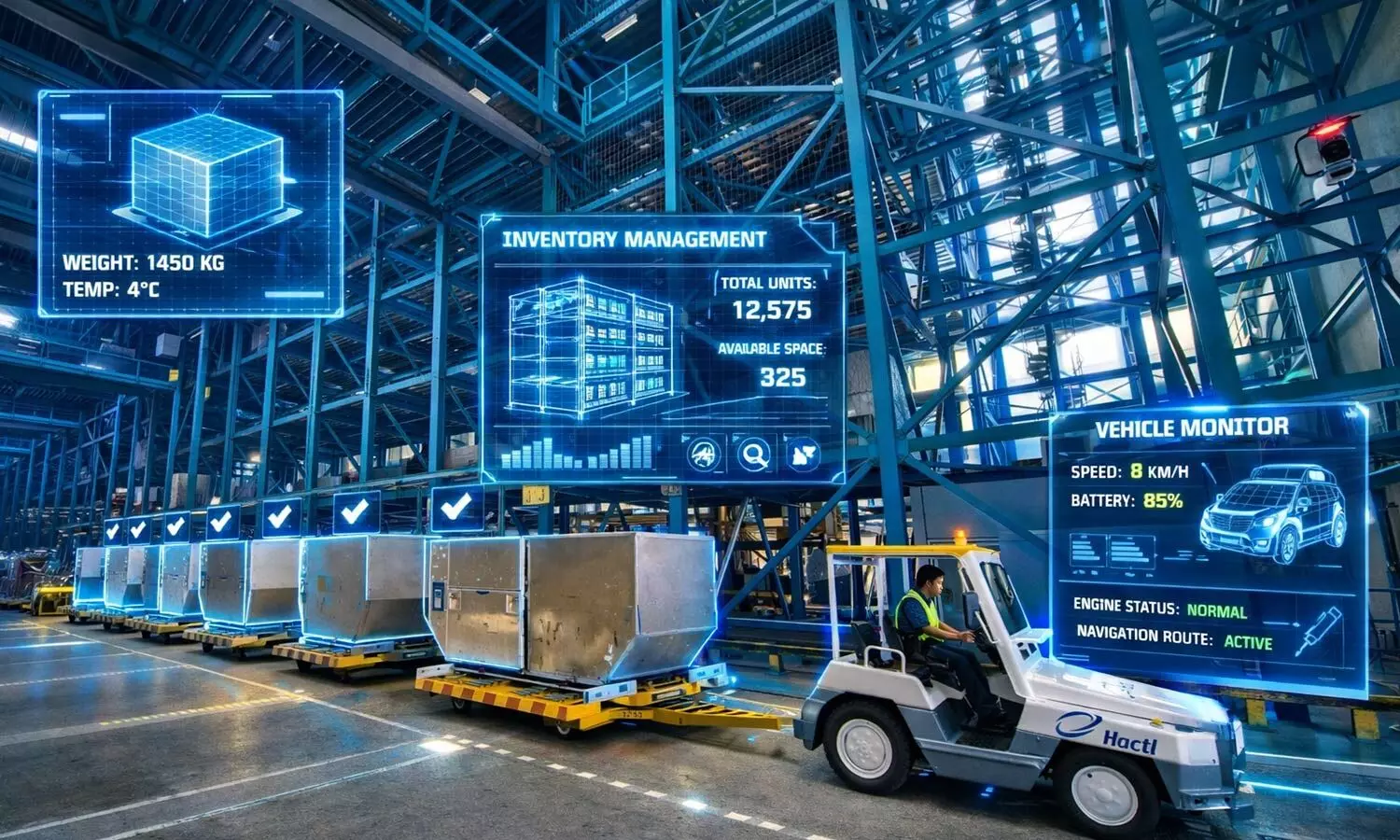
Digital twins introduce a more proactive approach. By combining live information with predictive models, organizations can identify unusual behavior, estimate future performance, and test possible interventions. Wave tech can contribute to this environment by enabling advanced approaches for interpreting complex operational signals and extracting useful information from connected industrial systems.
The result is a shift from reactive decision-making toward continuous optimization. Instead of asking why a machine stopped yesterday, teams can investigate what conditions are developing today and determine what action may prevent tomorrow’s disruption.
Major Applications of Digital Twins Across Industry
Predictive Maintenance and Equipment Monitoring
Predictive maintenance is one of the most valuable applications of digital twins. Industrial equipment often shows warning signs before a major failure occurs. Changes in vibration, temperature, pressure, energy consumption, or operating speed can indicate that a component is beginning to deteriorate.
A digital twin can collect these signals and compare current behavior with expected performance. Advanced analytical models can then identify potential anomalies and help maintenance teams prioritize inspections.
This approach can provide several benefits:
- Reduced unexpected equipment downtime
- Better planning of maintenance activities
- Longer equipment operating life
- More efficient use of spare parts
- Improved workforce scheduling
- Lower maintenance costs over time
Rather than replacing preventive maintenance completely, digital twins make maintenance strategies more precise. Teams can focus attention on assets that demonstrate meaningful signs of degradation instead of treating every machine according to the same fixed schedule.
Production Line Optimization
Manufacturers are increasingly using digital twins to model complete production environments. A virtual representation can include machines, conveyors, robotic systems, workers, material flows, storage areas, and production schedules.
Before making a physical change, engineers can test different configurations digitally. They might evaluate whether moving a machine would reduce bottlenecks, whether a new robot could improve throughput, or whether changing production sequences would reduce idle time.
This capability is particularly valuable when factories operate continuously. Physical experimentation can interrupt production and introduce costs. A digital environment allows teams to explore multiple scenarios before implementing the most promising option.
Energy Management and Efficiency
Energy-intensive industries face growing pressure to improve efficiency without sacrificing productivity. Digital twins can provide a detailed view of how energy moves through facilities and equipment.
For example, a digital model of an industrial plant can track energy consumption across heating systems, motors, pumps, compressors, cooling equipment, and production machinery. Managers can compare actual consumption against expected performance and investigate unusual increases.
Wave tech can be integrated into broader industrial monitoring strategies where complex signals need to be analyzed for operational insights. By connecting energy information with equipment performance, organizations can identify inefficient processes and develop more targeted improvement strategies.
Supply Chain and Logistics Management
Digital twins are not limited to individual machines. They can represent warehouses, distribution networks, transportation routes, and broader supply chains.
A logistics digital twin can simulate changes in inventory levels, delivery schedules, warehouse capacity, transportation delays, and customer demand. Managers can test scenarios such as supplier interruptions or unexpected increases in order volume without waiting for those situations to occur in reality.
This helps businesses identify potential bottlenecks before they affect customers. It also supports more informed inventory planning and resource allocation.
Digital Twins in Smart Factories
Smart factories rely on connected technologies to create highly responsive production environments. Digital twins serve as a central layer where information from multiple systems can be combined and analyzed.
A smart factory twin may incorporate:
- Industrial robots
- Sensors and controllers
- Production equipment
- Quality inspection systems
- Inventory platforms
- Workforce information
- Energy monitoring
- Environmental conditions
When these data sources are connected, managers can gain a broader understanding of factory performance. Artificial intelligence can further analyze patterns and recommend potential improvements.
The combination of digital twins and wave tech can strengthen data interpretation across industrial environments where continuous signals, sensor information, and machine behavior must be examined together. This can help organizations move toward more autonomous and adaptive production systems.
Engineering, Product Development, and Virtual Testing
Digital twins can also begin their value journey before a physical asset reaches an industrial facility. Engineers can create digital models during product development and test how proposed designs may behave under different conditions.
For example, manufacturers can simulate mechanical stress, operating temperatures, component interactions, and expected workloads. Engineers can identify potential weaknesses and adjust designs before producing large quantities of physical prototypes.
This can shorten development cycles and reduce the cost of physical testing. It also creates a digital record that can continue to provide value after the product enters operation.
The same model can evolve throughout the asset’s lifecycle. Design teams can use it during development, production teams can use it during manufacturing, and maintenance teams can use it after deployment.
Digital Twins for Industrial Safety
Safety is another important area where digital twins can provide practical value. Industrial environments may contain heavy machinery, hazardous materials, extreme temperatures, high-pressure systems, or complex movement patterns.
A digital twin can simulate operating conditions and help organizations evaluate potential risks. Safety teams can explore emergency scenarios, equipment failures, evacuation challenges, and process changes without exposing employees to unnecessary danger.
Training can also become more realistic. Workers can practice responding to simulated situations before encountering similar circumstances in the physical workplace.
By identifying risks digitally, organizations can improve procedures while reducing the need for disruptive physical testing.
Role of Advanced Data Technologies
Digital twins depend on a reliable flow of information. Sensors and connected devices generate large volumes of data, but raw information alone does not automatically produce useful insights. Data must be collected, processed, interpreted, and presented in ways that support operational decisions.
This is where advanced technologies become important. Artificial intelligence can identify patterns, machine learning can improve predictive models, and cloud platforms can provide scalable computing resources.
Wave tech can complement these capabilities by supporting advanced signal-oriented analysis and helping industrial systems extract meaningful information from continuously changing operational conditions. The strongest results typically come not from one technology alone, but from combining multiple digital capabilities into a coordinated architecture.
Key Benefits for Industrial Organizations
The adoption of digital twins can influence several areas of industrial performance simultaneously.
| Industrial Area | Digital Twin Impact | Potential Business Benefit |
|---|---|---|
| Maintenance | Predicts equipment issues | Less unplanned downtime |
| Production | Simulates process changes | Higher operational efficiency |
| Energy | Tracks consumption patterns | Reduced energy waste |
| Quality | Monitors process behavior | More consistent output |
| Safety | Tests risk scenarios | Better preparedness |
| Logistics | Models supply movement | Improved planning |
| Engineering | Enables virtual testing | Faster development |
| Training | Simulates operational events | More effective workforce preparation |
These benefits become more significant when digital twin systems are connected across departments rather than isolated within individual teams.
Challenges Businesses Must Address
Despite their advantages, digital twins require careful planning. Building an effective twin can involve substantial investments in sensors, connectivity, data platforms, modeling tools, cybersecurity, and skilled personnel.
Data quality is another major challenge. If sensors provide inaccurate or incomplete information, the digital representation may not accurately reflect the physical asset.
Organizations must also consider cybersecurity. A highly connected industrial environment can create additional entry points for malicious activity. Access controls, encryption, network segmentation, monitoring, and strong governance should therefore be part of the digital twin strategy.
Interoperability can also become difficult when facilities use equipment from multiple manufacturers. Different systems may generate information in different formats, making integration more complicated.
Successful implementation requires more than purchasing technology. Businesses need clear objectives, reliable data infrastructure, trained employees, and a practical plan for connecting digital insights to real-world decisions.
The Future of Digital Twins in Industrial Operations
The future of digital twins is likely to involve increasingly intelligent and autonomous systems. Instead of simply displaying current equipment conditions, future platforms may continuously predict what is likely to happen next and recommend appropriate responses.
Artificial intelligence could enable digital twins to learn from operational history and improve their predictions over time. Edge computing may allow more analysis to occur close to machines, reducing delays in time-sensitive applications.
Industrial organizations may also develop interconnected digital twins. A machine-level twin could communicate with a production-line twin, which could connect to a factory-level twin and eventually to a broader supply-chain model.
In such environments, wave tech may become part of increasingly sophisticated industrial intelligence systems designed to process complex streams of operational information. This evolution could support faster decisions, greater automation, and more resilient industrial networks.
Building a Practical Digital Twin Strategy
Businesses do not necessarily need to create a digital twin for an entire operation immediately. A focused pilot project can provide a more practical starting point.
Organizations can begin by selecting a high-value asset or process where better visibility could deliver measurable benefits. After establishing the necessary sensors and data connections, teams can develop a basic model and gradually add analytics and predictive capabilities.
A practical implementation roadmap can include:
- Identify a specific operational problem.
- Select the equipment or process to model.
- Establish reliable data collection.
- Build and validate the digital representation.
- Introduce analytics and predictive models.
- Measure operational improvements.
- Expand the system to additional assets.
This incremental strategy can help businesses demonstrate value before committing to larger deployments.
Conclusion
Digital twins are transforming industrial operations by creating a powerful connection between physical assets and digital intelligence. They allow organizations to observe equipment, simulate processes, predict problems, improve efficiency, and make better-informed decisions without relying exclusively on physical experimentation. From predictive maintenance and smart manufacturing to energy optimization, logistics, engineering, and safety, the applications continue to expand. The integration of artificial intelligence, connected sensors, cloud platforms, edge computing, and wave tech is making these virtual environments increasingly capable of supporting real-time industrial intelligence.