



Healthcare is entering a transformative period as artificial intelligence, connected devices, advanced analytics, and intelligent automation become increasingly integrated into patient care. Instead of relying solely on conventional clinical workflows, healthcare providers can now use technology to process information faster, identify patterns earlier, and support more personalized treatment decisions. These changes are particularly valuable in environments where clinicians manage large volumes of patient information and need timely insights.
At the center of this transformation is the growing relationship between artificial intelligence and connected healthcare technology. Modern systems can analyze medical information, monitor patients continuously, identify unusual changes, and assist professionals with routine decisions. wave tech innovations are contributing to this shift by creating smarter ways to connect digital systems, devices, and patient information.
The objective is not to replace doctors or nurses. Rather, AI-powered healthcare is designed to give medical professionals better tools for understanding patient needs. When technology handles repetitive analysis and monitoring, healthcare teams can spend more time communicating with patients, evaluating complex cases, and delivering compassionate care.
How Artificial Intelligence Is Changing Patient Care
Artificial intelligence can examine enormous quantities of healthcare data in a relatively short period. Medical records, laboratory results, imaging information, medication histories, and monitoring data can contain patterns that are difficult to identify manually. AI systems can help organize these details and highlight information that deserves closer attention.
One important development is predictive healthcare. Instead of waiting for a condition to become obvious, intelligent systems can evaluate combinations of risk factors and provide early warnings. For example, an AI-supported monitoring platform may detect changes in vital signs that could indicate a developing problem.
This approach can support several areas of care:
- Earlier identification of potential health risks
- Faster analysis of medical information
- More personalized treatment planning
- Continuous patient monitoring
- Reduced administrative workload
- Improved coordination between healthcare teams
- Better use of hospital resources
The value of AI ultimately depends on how responsibly it is implemented. High-quality data, appropriate clinical oversight, strong cybersecurity, and transparent decision-making are essential for ensuring that technology strengthens rather than complicates healthcare delivery.
Connected Technologies Bringing Care Closer to Patients
Healthcare is no longer limited to the hospital or doctor’s office. Wearable sensors, connected medical devices, remote monitoring platforms, and mobile health applications allow certain types of patient information to be collected outside traditional clinical settings.
A patient recovering at home, for instance, may use a connected device to record selected health measurements. That information can be transferred to a healthcare platform where algorithms analyze trends. If the system detects a significant change, healthcare professionals may receive an alert and determine whether additional evaluation is necessary.
)
This model can be especially useful for long-term care. Patients managing ongoing conditions often require regular observation rather than occasional appointments alone. Continuous digital monitoring can provide clinicians with a broader picture of how a patient’s condition changes over time.
wave tech solutions can support this connected environment by helping healthcare technologies communicate more effectively. The result is a healthcare ecosystem where information can move between patients, devices, clinicians, and digital systems with fewer interruptions.
AI and Medical Diagnosis
Diagnosis is one of the most promising areas for artificial intelligence. Modern AI models can assist in analyzing certain types of medical images, laboratory information, and clinical data. Their role is generally to support trained professionals rather than make independent medical decisions.
In imaging, AI can help identify patterns that may require further examination. In pathology, algorithms can assist with analyzing digital samples. In clinical environments, decision-support systems can organize relevant information and highlight potential considerations for a physician.
The advantages can include:
- Faster preliminary analysis
- Support for complex diagnostic workflows
- Identification of subtle data patterns
- Improved prioritization of urgent cases
- Assistance in handling large datasets
However, accuracy cannot be considered separately from context. A technological system may perform well under particular conditions but produce less reliable results when data quality changes or patient circumstances differ from its training environment. Healthcare professionals therefore remain essential for interpreting AI-generated insights and considering the full clinical picture.
Personalized Treatment Through Intelligent Data
Every patient is different. Age, medical history, lifestyle, genetics, existing medications, and individual responses can influence how a person reacts to treatment. This makes personalized healthcare an important goal for modern medicine.
AI can help analyze multiple categories of patient information to identify patterns that may support more individualized care strategies. Instead of applying the same approach to every patient with a similar diagnosis, clinicians can use data-driven insights to consider differences between individuals.
Personalization may influence areas such as treatment selection, monitoring frequency, medication management, and follow-up planning. As healthcare databases and analytical technologies improve, these capabilities may become increasingly sophisticated.
wave tech innovations can complement this process by connecting different data sources and creating smoother information flows. When relevant information is available in a usable format, clinicians have a stronger foundation for making informed decisions.
The key principle is that personalization should enhance professional judgment. Technology can identify relationships within data, but physicians and other qualified professionals must evaluate whether those insights make sense for the individual patient.
Remote Patient Monitoring and Virtual Care
Remote healthcare has become an important part of modern medical delivery. Patients who do not require physical examination for every interaction may benefit from virtual consultations, connected monitoring tools, and digital communication.
Remote patient monitoring can provide useful information between appointments. Instead of relying entirely on occasional measurements taken during clinical visits, healthcare teams may receive a more continuous stream of selected health indicators.
This can help clinicians recognize trends and determine whether a patient’s condition is stable or requires attention. It may also reduce unnecessary travel for people who have difficulty reaching healthcare facilities.
For healthcare organizations, remote monitoring can support more efficient resource allocation. Hospitals and clinics can prioritize in-person services for cases where physical examination or immediate intervention is necessary.
However, digital care should remain accessible. Patients with limited internet connectivity, low digital literacy, or difficulty using connected devices should not be excluded from essential healthcare services. Successful innovation must consider both technological capability and real-world usability.
Smarter Hospitals With AI Automation
Hospitals involve much more than diagnosis and treatment. Scheduling, documentation, inventory management, patient admissions, billing processes, and communication can consume significant amounts of staff time.
AI-powered automation can assist with selected administrative tasks. Intelligent systems may organize information, automate repetitive workflows, predict resource requirements, and help staff manage routine processes.
For example, an AI-supported scheduling system could analyze appointment patterns and available resources to help reduce inefficient gaps. Another system could assist with inventory forecasting, helping healthcare facilities anticipate demand for commonly used supplies.
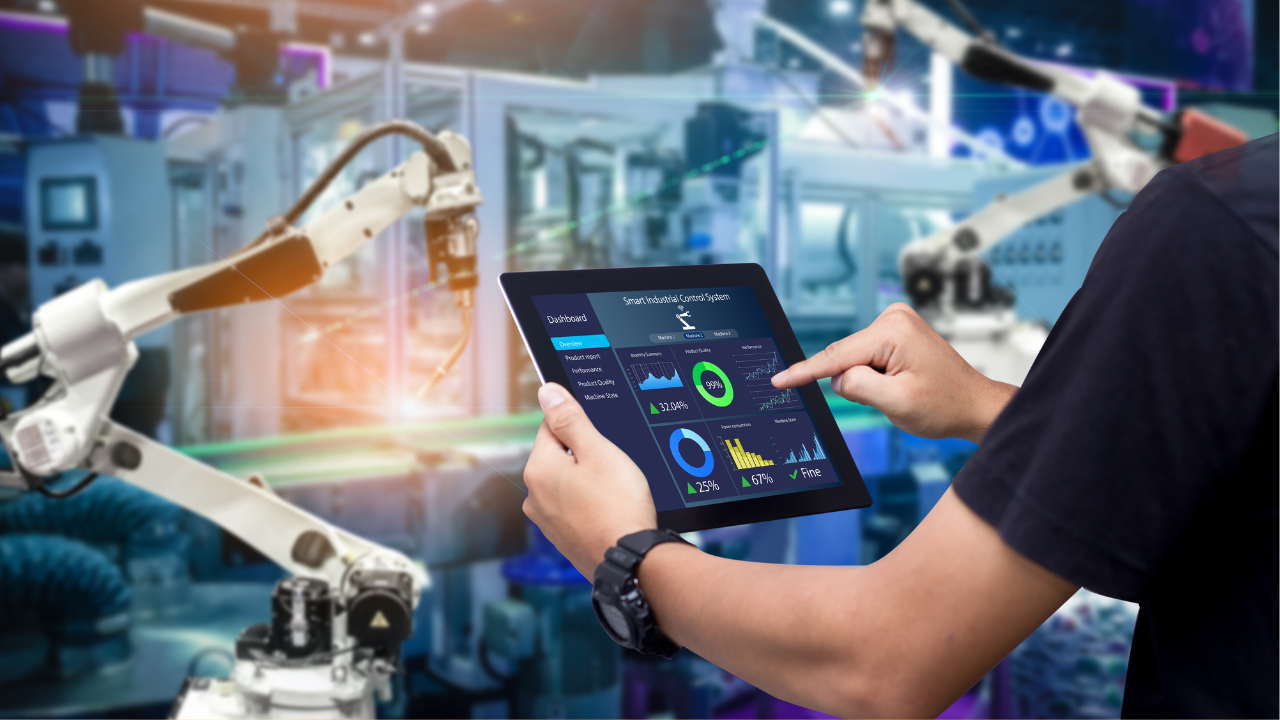
These applications may appear less dramatic than AI-assisted diagnosis, but their impact can be substantial. Reducing administrative friction can give healthcare professionals more time to focus on patients.
wave tech approaches to digital healthcare can contribute to these smarter workflows by supporting connectivity between operational systems and intelligent applications.
The Role of Wearable Healthcare Devices
Wearable technology is changing how health information can be collected. Smart watches, fitness devices, specialized sensors, and other connected products can monitor selected measurements and activity patterns.
Depending on the device and its intended use, information may include heart rate, movement, sleep patterns, temperature, or other indicators. When this data is combined with AI analytics, healthcare professionals may gain additional insight into changes occurring outside clinical environments.
The future of wearable healthcare will likely focus less on simply collecting information and more on interpreting it meaningfully. Patients do not necessarily benefit from receiving hundreds of measurements if they cannot understand what those measurements mean.
AI can help transform raw information into useful patterns, summaries, and alerts. Yet medical-grade applications require appropriate validation, reliable sensors, careful interpretation, and professional oversight.
The strongest wearable technologies will therefore be those that combine convenience with meaningful clinical value rather than simply producing more data.
Key Benefits of AI-Driven Healthcare Innovation
| Healthcare Area | AI-Powered Contribution | Potential Patient Benefit |
|---|---|---|
| Diagnosis | Pattern and data analysis | Earlier clinical attention |
| Monitoring | Continuous trend detection | Faster response to changes |
| Treatment | Personalized data analysis | More individualized care |
| Administration | Workflow automation | Shorter processing times |
| Remote Care | Connected monitoring | Greater convenience |
| Hospital Operations | Demand forecasting | Better resource management |
| Patient Engagement | Intelligent digital tools | Improved access to information |
These benefits demonstrate why AI-powered healthcare is becoming an important component of digital transformation. The greatest value appears when technology is integrated into practical workflows instead of being introduced simply because it is innovative.
Protecting Privacy in an AI-Driven Healthcare Environment
Greater connectivity creates greater responsibility. Healthcare information is highly sensitive, making privacy and security fundamental components of digital innovation.
AI systems often require substantial amounts of data for training, evaluation, and operation. Healthcare organizations must therefore establish clear controls over how information is collected, stored, accessed, transferred, and processed.
Important safeguards include:
- Strong authentication and access controls
- Encryption for sensitive information
- Regular security assessments
- Responsible data governance
- Clear consent practices
- Monitoring for unusual system activity
- Appropriate human oversight
Transparency is equally important. Patients should understand, in accessible language, how digital systems may be used in their care. Trust can decline quickly when people feel that technology is making decisions without adequate explanation.
Responsible innovation means treating privacy, security, fairness, and accountability as essential design requirements rather than optional additions.
Overcoming Challenges in Healthcare Technology Adoption
Despite its potential, AI-powered healthcare faces practical challenges. Healthcare organizations may need to invest in infrastructure, employee training, cybersecurity, data integration, and ongoing system maintenance.
Another issue is interoperability. Hospitals and clinics often use multiple digital platforms that were developed at different times. If those systems cannot communicate effectively, valuable information may remain isolated.
Staff training is also crucial. Healthcare professionals need to understand what AI systems can and cannot do. Without appropriate training, employees may either distrust useful technology or rely on automated recommendations too heavily.
Bias is another important concern. AI models can produce problematic outcomes when their training data does not adequately represent the populations they serve. Regular testing and careful evaluation are necessary to identify these issues.
wave tech innovation can be most effective when it is introduced as part of a broader strategy that combines technology, human expertise, strong governance, and patient-centered design.
What the Future of AI-Powered Patient Care May Look Like
The next stage of healthcare innovation is likely to involve increasingly connected systems. Instead of isolated AI applications, healthcare organizations may develop integrated environments where clinical, operational, and patient-generated information can work together.
Imagine a healthcare ecosystem in which a patient’s authorized monitoring data, clinical history, diagnostic information, and treatment progress can be analyzed within a coordinated digital environment. AI could identify important trends, while clinicians retain responsibility for interpreting those findings and deciding what action is appropriate.
Another emerging direction is ambient healthcare technology. Intelligent systems may eventually reduce the need for clinicians to manually document every routine interaction by assisting with selected administrative and documentation processes.
At the same time, healthcare technology will need to become more human-centered. Patients should not feel that their healthcare experience has been replaced by screens and algorithms. Technology should make care more responsive, accessible, understandable, and personalized.
Building a Human-Centered Digital Healthcare Future
The real promise of AI-powered healthcare is not simply faster technology. It is the possibility of creating a healthcare system that recognizes problems earlier, supports professionals more effectively, and gives patients greater access to personalized care.
wave tech represents the broader movement toward connected and intelligent healthcare environments where devices, software, data, and professional expertise work together. Yet innovation should always serve a clear healthcare purpose.
Successful adoption will depend on balancing automation with human judgment, convenience with privacy, and advanced analytics with ethical responsibility. Hospitals and healthcare providers that approach technology strategically can use AI to improve workflows without losing sight of the people behind the data.
Conclusion
AI-powered healthcare is reshaping patient care by bringing together intelligent analytics, connected devices, remote monitoring, automation, and personalized decision support. These technologies can help healthcare professionals identify meaningful patterns, manage information more efficiently, and respond to patient needs with greater precision. The future will not be defined by artificial intelligence alone. It will be shaped by how effectively healthcare organizations combine AI with experienced professionals, secure infrastructure, responsible data practices, and compassionate patient interaction.
wave tech innovations demonstrate how connected technology can contribute to this transformation, but the ultimate measure of success remains simple: better experiences and better outcomes for patients. As digital healthcare continues to mature, the strongest innovations will be those that make medical care more proactive without making it less personal. When technology supports rather than replaces human expertise, AI-powered healthcare can become a powerful foundation for a smarter, more accessible, and patient-centered healthcare future.